Cat Nose Cancer: Signs, Types, and Outlook
Nov 06, 2026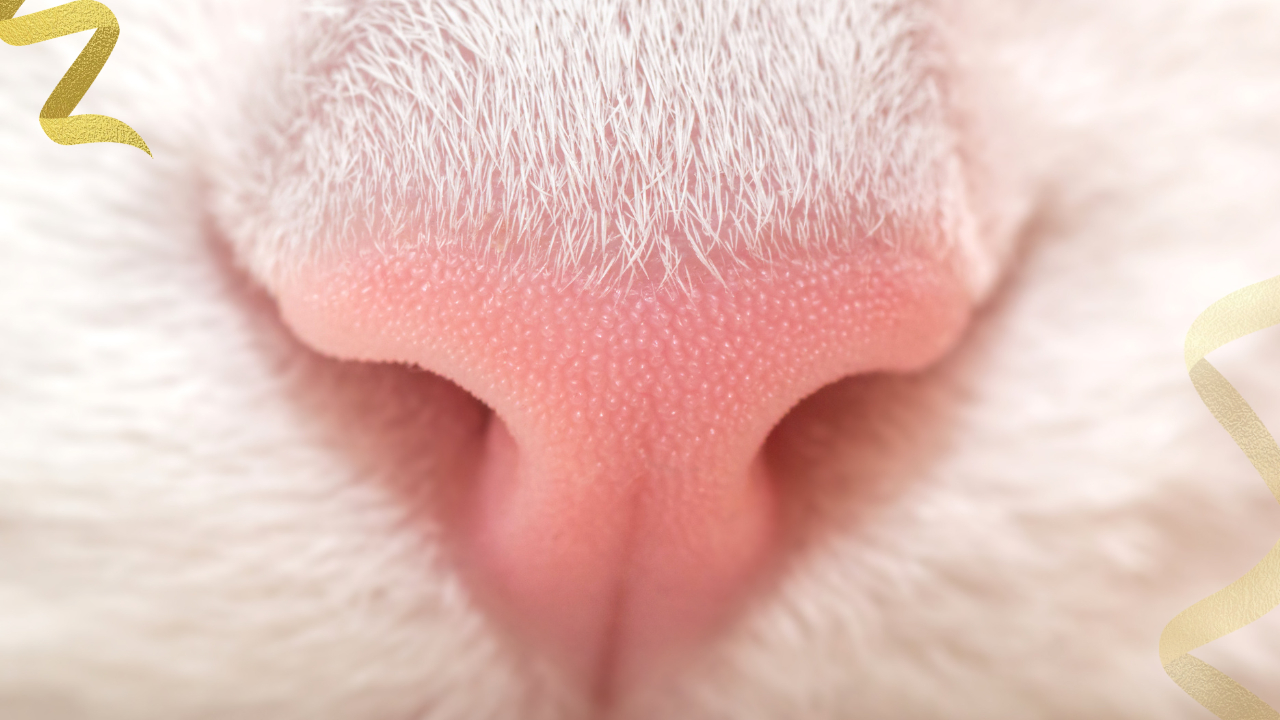
"Nose cancer" in cats usually means one of two very different diseases. The first is a tumor inside the nasal passages or sinuses. In cats, at least 90% of these are malignant, most often lymphoma, followed by carcinoma (Tonozzi, 2024). The most common sign is a chronic nasal discharge. Cats may also have nosebleeds, sneezing, noisy breathing, or a swelling or change in the shape of the face (Haney et al., 2009).
The second is squamous cell carcinoma of the nasal planum, the hairless skin at the tip of the nose. It's driven largely by sun exposure, and white cats, or cats with white faces, are at greater risk (Berlato et al., 2019).
Both forms can often be treated. For nasal lymphoma, radiation therapy is central to controlling the disease, and in a study of 97 cats, median survival when counting only deaths from the lymphoma itself was 536 days (Haney et al., 2009). For early skin cancer on the nose, a targeted radiation treatment produced complete responses in 74% of cats, with a median survival of more than 1,000 days (Berlato et al., 2019).
Key points
- At least 90% of tumors inside a cat's nose are malignant. Lymphoma is the most common and carcinoma the second most common (Tonozzi, 2024).
- Nasal discharge was the most common sign in cats with nasal lymphoma (58.8%), followed by facial deformity, nosebleeds, and sneezing (Haney et al., 2009).
- Radiation appears pivotal for nasal lymphoma. Cats that received radiation had longer survival than those that didn't, and adding chemotherapy didn't significantly improve survival in that study (Haney et al., 2009).
- Anemia at diagnosis was the strongest negative factor in nasal lymphoma (Haney et al., 2009).
- Skin cancer on the nose is linked to sun exposure and is most common in white cats (Berlato et al., 2019).
- Untreated nasal tumors in pets generally carry a survival of 3 to 5 months after diagnosis (Tonozzi, 2024).
Detailed explanation
Two kinds of nose cancer
It helps to know which part of the nose is affected, because the diseases, tests, and treatments are different.
Inside the nose (intranasal tumors). These grow in the nasal cavity or sinuses behind the nostrils. You won't usually see them; you see their effects, such as discharge, bleeding, or facial swelling. Cats are typically around 12 years old at diagnosis (Tonozzi, 2024).
On the nose (nasal planum squamous cell carcinoma). This grows on the skin at the tip of the nose. You can see it. Squamous cell carcinoma is one of the most common malignant skin tumors in cats, making up roughly 15% to 25% of cutaneous tumors, and it develops mainly on unpigmented areas of the head such as the nose, eyelids, and ear tips (Berlato et al., 2019).
Tumors inside the nose: signs
In the largest study of cats with nasal lymphoma, which included 97 cats from 16 referral hospitals, the most common signs were (Haney et al., 2009):
- Nasal discharge (58.8%)
- Facial deformity, such as swelling over the nose or between the eyes (22.7%)
- Nosebleeds (21.6%)
- Sneezing (20.6%)
- Noisy, snoring-type breathing (18.6%)
- Poor appetite (14.4%)
- Trouble breathing or a bulging eye (11.3% each)
As tumors grow, they can push behind the eye and cause it to bulge, and late in the disease they can invade the skull and cause neurological signs (Tonozzi, 2024). Nasal discharge in cats has many causes, most of them not cancer. What raises concern is discharge that persists, bleeding, signs on one side, or any change in the shape of the face.
Diagnosis
CT is far better than X-rays for evaluating chronic nasal disease. A definitive diagnosis requires a biopsy, taken either with CT guidance or through rhinoscopy, a procedure that uses a small camera inside the nose (Tonozzi, 2024). Bloodwork matters too, because anemia strongly affects the outlook for nasal lymphoma (Haney et al., 2009).
Treatment and survival for nasal lymphoma
Radiation is the cornerstone. In Haney and colleagues' (2009) study, cats that received any radiation lived longer than cats that didn't (median 192 vs. 116 days), and cats given more intensive radiation protocols lived longer than those given less intensive ones (388 vs. 170 days). The authors concluded that radiation is pivotal in controlling local disease.
The study's other findings are important for owners weighing options:
- Survival: Median survival counting only deaths from progressive lymphoma was 536 days. Counting deaths from any cause, it was 172 days. About 56% of cats were alive at one year and 44% at two years by the disease-specific measure (Haney et al., 2009).
- Chemotherapy: Adding chemotherapy didn't provide a significant survival benefit, and there were no significant differences between the radiation-plus-chemotherapy, radiation-alone, and chemotherapy-alone groups (Haney et al., 2009).
- Prognostic factors: Anemia was the strongest negative factor (median 81 days with anemia vs. 268 days without). Achieving a complete response to treatment was a strong positive factor (536 days vs. 120 days with partial response) (Haney et al., 2009).
- Spread: About 10% of cats developed lymphoma elsewhere in the body (Haney et al., 2009).
Because this was a retrospective study, the authors called for a randomized trial to establish the best standard of care. A veterinary oncologist can help you choose among radiation, chemotherapy, or both for your cat.
For carcinomas and other nasal tumors, treatment depends on the type and extent, and may include radiation, surgery, chemotherapy, or a combination (Tonozzi, 2024).
Skin cancer on the nose: signs and risk
Nasal planum squamous cell carcinoma appears on the hairless skin at the tip of the nose. Sun exposure is important in its development, and white cats, or colored cats with white areas, are at greater risk (Berlato et al., 2019). It's slow to spread, but when it does, it tends to go to nearby lymph nodes and the lungs (Berlato et al., 2019).
Because the early disease is on the surface, owners can often catch it. Any sore, crust, scab, or red patch on your cat's nose that doesn't heal within a couple of weeks deserves a veterinary exam, especially in a white or white-faced cat. If your cat has light-colored skin on the nose or ears, ask your veterinarian about limiting sun exposure.
Treatment and survival for skin cancer on the nose
Early-stage nasal planum squamous cell carcinoma can respond very well to treatment. In a study of 74 cats treated with strontium-90 plesiotherapy, a form of radiation applied directly to the surface of the lesion, 74% had a complete response. Median disease-free interval was 780 days and median overall survival was 1,039 days. Side effects were minimal, and the cosmetic outcome was rated excellent or very good in most cats assessed (Berlato et al., 2019). Earlier-stage tumors, the absence of other illness, and a complete response to the first treatment were associated with longer survival.
Larger or deeper tumors may need other approaches, including surgery, which your veterinarian or a veterinary oncologist can discuss.
How cat nose cancer compares with dogs
Dogs get nasal tumors too, and much of what's written online about nose cancer is about dogs. Our page on nasal tumors in dogs covers them. In cats, remember that lymphoma is the most common nasal tumor (Tonozzi, 2024), which shapes how it's treated. For an overview of other cancers in cats, see our cat cancer guide.
When to contact a veterinarian
Book an appointment soon if your cat:
- Has nasal discharge that lasts more than a couple of weeks or keeps coming back
- Has discharge, sneezing, or noisy breathing on mainly one side
- Has a sore, scab, or red patch on the nose that doesn't heal
- Is eating less or losing weight along with nasal signs
Call the same day if your cat:
- Has a nosebleed, especially a recurring one
- Has swelling of the face or between the eyes, or a bulging eye
- Is breathing with an open mouth or struggling to breathe
Questions to ask your veterinarian
- Is this problem inside the nose or on the skin of the nose?
- Would a CT scan and biopsy help us find out what this is?
- Is my cat anemic, and how does that affect the plan?
- If it's nasal lymphoma, is my cat a candidate for radiation, and is chemotherapy worth adding?
- If it's skin cancer on the nose, is it early enough for surface radiation such as strontium therapy?
- Should we see a veterinary oncologist or radiation oncologist?
- How can I limit sun exposure for my cat?
References
Berlato, D., Murphy, S., Laberke, S., & Verganti, S. (2019). Response, disease-free interval and overall survival of cats with nasal planum squamous cell carcinoma treated with a fractionated vs a single-dose protocol of strontium plesiotherapy. Journal of Feline Medicine and Surgery, 21(4), 306-313.
Haney, S. M., Beaver, L., Turrel, J., Clifford, C. A., Klein, M. K., Crawford, S., Poulson, J. M., & Azuma, C. (2009). Survival analysis of 97 cats with nasal lymphoma: A multi-institutional retrospective study (1986-2006). Journal of Veterinary Internal Medicine, 23(2), 287-294.
Tonozzi, C. C. (2024). Neoplasia of the respiratory system in dogs and cats. MSD Veterinary Manual, Professional Version. Retrieved November 6, 2026, from https://www.msdvetmanual.com/respiratory-system/respiratory-diseases-of-small-animals/neoplasia-of-the-respiratory-system-in-dogs-and-cats
Reviewed by: Amber L. Drake, PhD
Dr. Amber L. Drake is a board-certified holistic health practitioner, canine clinical herbalist, educator, and founder of the Drake Dog Cancer Foundation and Drake Dog Academy. She is dedicated to helping pet parents better understand canine cancer, treatment options, nutrition, quality of life, and supportive care through compassionate, evidence-informed education. Her work combines professional training, practical resources, and firsthand insight from supporting thousands of dog families through the challenges of a cancer diagnosis.
Stay connected with news and updates!
Join our mailing list to receive the latest news and updates from our team.
Don't worry, your information will not be shared.
We hate SPAM. We will never sell your information, for any reason.