Cat Cancer: Common Types, Warning Signs, and What You Can Do
Nov 05, 2026
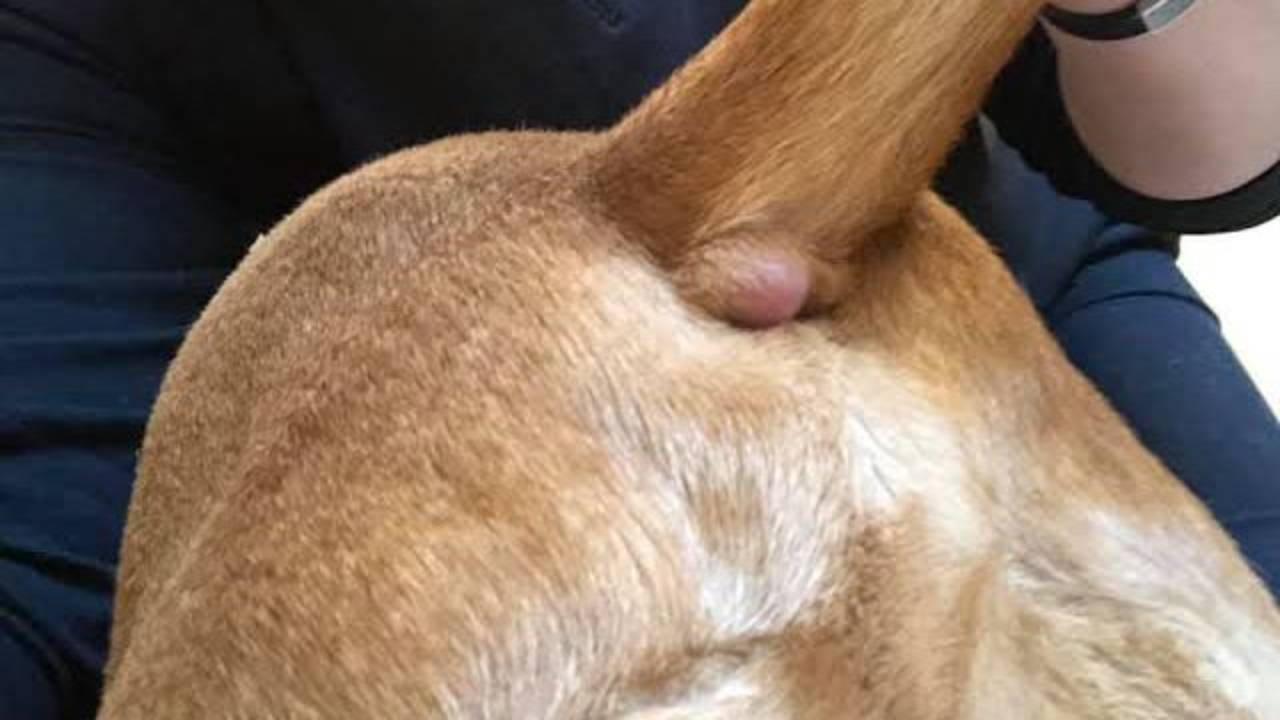
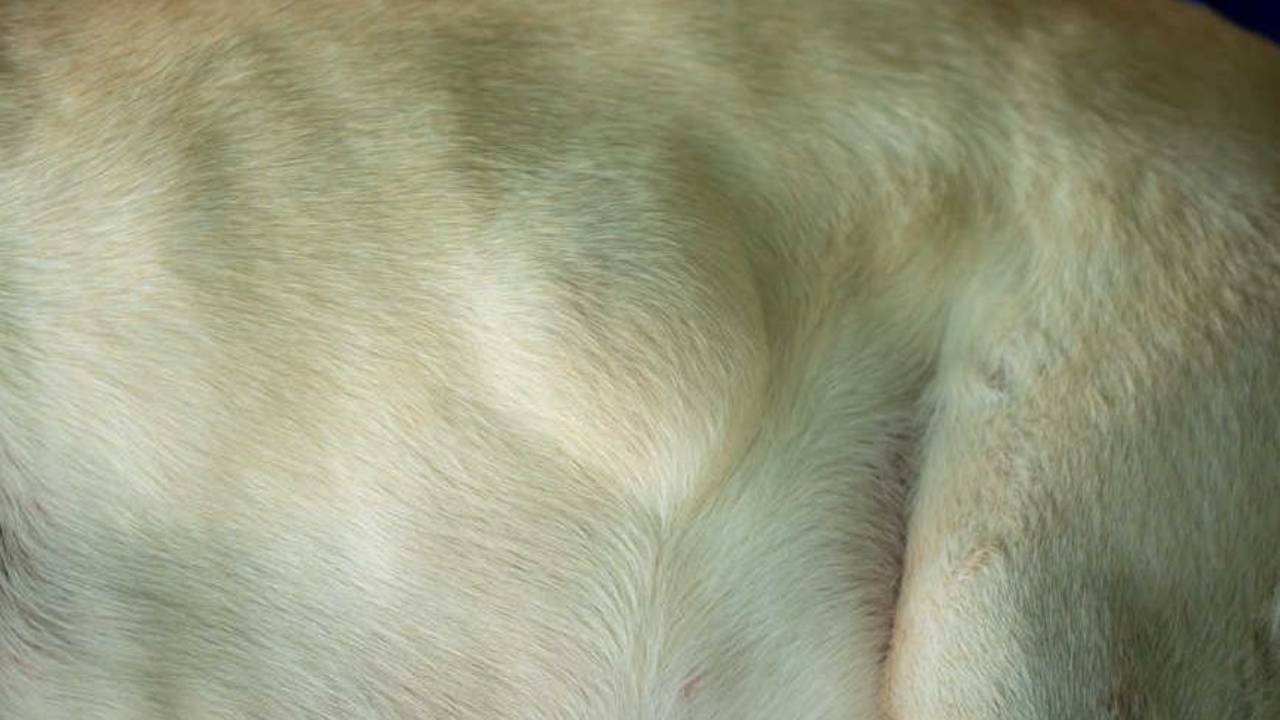
Several of the most common cancers in cats are found late, when they're harder to treat. The most common cancer in cats is lymphoma, which today most often affects the intestines and causes weight loss, vomiting, diarrhea, and appetite changes (Cornell Feline Health Center, 2021). Other important cat cancers include mammary (breast) cancer, where 80% to 90% of tumors are malignant (Lopes, 2024), oral squamous cell carcinoma, which makes up 70% to 80% of oral tumors in cats (Cannon, 2015), and injection-site sarcoma, a rare tumor that can develop where a cat received an injection (Stone et al., 2020).
Two things make the biggest difference for cat owners. First, take subtle changes seriously, especially weight loss and lumps, and have any lump tested rather than watched (Ettinger, 2015). Second, prevention works for at least one major cancer: spaying a female cat before 6 months of age reduces her risk of mammary carcinoma by 91% (Overley et al., 2005).
Key points
- Lymphoma is the most frequently diagnosed cancer in cats, and the intestinal form is now the most common (Cornell Feline Health Center, 2021).
- Low-grade (small cell) intestinal lymphoma is slow-growing. More than 90% of treated cats go into remission, with survival of about two to four years (Cornell Feline Health Center, 2021).
- 80% to 90% of mammary tumors in cats are malignant, compared with about half in dogs (Lopes, 2024).
- Spaying before 6 months cuts mammary cancer risk by 91%, and before 1 year by 86%. Spaying after age 2 offers no protection against mammary cancer (Lopes, 2024; Overley et al., 2005).
- Oral squamous cell carcinoma is usually found late and carries a median survival of a few months with standard treatment (Cannon, 2015).
- Any lump at an injection site that lasts 3 months, is larger than 2 cm, or is growing 1 month after the injection should be biopsied (Stone et al., 2020).
Detailed explanation
Lymphoma: the most common cancer in cats
Lymphoma is a cancer of lymphocytes, a type of white blood cell, and it's the most frequently diagnosed of all feline cancers (Cornell Feline Health Center, 2021). Older forms of the disease were closely tied to feline leukemia virus (FeLV), with a smaller link to feline immunodeficiency virus (FIV). Those forms are seen less often now, likely because of testing and FeLV vaccination (Cornell Feline Health Center, 2021).
Today, feline lymphoma most often develops in the gastrointestinal tract. Signs include weight loss, vomiting, diarrhea, and changes in appetite. Bloodwork is often normal, and the signs overlap heavily with inflammatory bowel disease, so a definitive diagnosis requires biopsies of the intestine (Cornell Feline Health Center, 2021).
The type of lymphoma changes the outlook dramatically. Small cell intestinal lymphoma is considered an indolent, slow-moving disease. More than 90% of treated cats achieve remission of their signs, and survival is about two to four years after diagnosis. Large cell lymphoma is more aggressive, with a significantly worse prognosis (Cornell Feline Health Center, 2021). With chemotherapy for more aggressive lymphoma, between 50% and 80% of cats achieve remission, typically lasting four to nine months. Steroids alone may give two to four months of improvement (Cornell Feline Health Center, 2021).
If your cat is losing weight, even with a normal appetite, or has ongoing vomiting or diarrhea, don't assume it's a hairball problem or a sensitive stomach.
Mammary cancer
In cats, mammary tumors are usually malignant. Between 80% and 90% are cancerous, a sharp contrast with dogs, where about half are benign (Lopes, 2024). Older and purebred cats are overrepresented, and purebred cats generally have a worse prognosis than domestic shorthairs (Lopes, 2024).
Size at diagnosis matters a great deal. Reported median survival is about 3 years for tumors under 2 cm, about 2 years for tumors 2 to 3 cm, and about 6 months for tumors over 3 cm (Lopes, 2024). Spread to the lymph nodes worsens the prognosis, and almost half of cats with distant spread show no signs of illness (Lopes, 2024). The lesson for owners is to check along your cat's belly and chest regularly and have any lump there examined right away.
This is also one of the few cancers with a well-documented prevention strategy. In a study of cats with and without mammary carcinoma, spaying before 6 months of age reduced the risk by 91%, and spaying before 1 year reduced it by 86% (Overley et al., 2005). Spaying after age 2 offers no protective benefit (Lopes, 2024).
Oral squamous cell carcinoma
Squamous cell carcinoma accounts for 70% to 80% of all oral tumors in cats. It's locally invasive, often diagnosed late, and difficult to treat, with median survival times of a few months under standard treatment. Smaller tumors respond better, but most cats are diagnosed with advanced disease (Cannon, 2015). Exposure to environmental tobacco smoke, flea collars, and canned food have been associated with the disease, although most affected cats have no identified risk factor (Cannon, 2015).
Because the mouth is hard to see in a cat, an annual oral exam by your veterinarian matters. Any change in how your cat eats, or a swelling of the jaw or face, is worth a visit.
Injection-site sarcoma
Feline injection-site sarcoma is a tumor that can develop where a cat has received an injection, including vaccines. The risk is real but low (American Animal Hospital Association [AAHA], 2021). Current guidelines recommend vaccinating in the lower limbs or tail, not between the shoulder blades, so that if a tumor ever develops, it can be removed with wide margins (AAHA, 2021; Stone et al., 2020).
Guidelines also give owners and veterinarians a clear rule for injection-site lumps, called the 3-2-1 rule. A biopsy is warranted if a lump is still present 3 months after vaccination, is larger than 2 cm across, or is growing 1 month after vaccination (Stone et al., 2020). A needle aspirate isn't sufficient for diagnosis, and simply removing the lump rarely achieves adequate margins, so an incisional biopsy is the recommended first step (Stone et al., 2020).
None of this is a reason to skip vaccines, which protect against serious infectious diseases. It's a reason to know where your cat's vaccines are given and to watch those spots.
Why cancer in cats is often found late
Several of these cancers share a theme: they're diagnosed after they've already advanced. Intestinal lymphoma looks like common digestive upset, oral cancer hides inside the mouth, and many cats with spreading mammary cancer seem perfectly well (Cannon, 2015; Cornell Feline Health Center, 2021; Lopes, 2024).
The most practical defense is noticing change. Weigh your cat regularly, feel along the body and belly during petting, and look in the mouth when you can. Any lump that's the size of a pea and has been present for a month should be aspirated or biopsied (Ettinger, 2015). Our article on bumps on dogs explains why a lump can't be judged by feel, and the same principle applies to cats.
Treatment and support
Treatment depends entirely on the type and stage of cancer and may include surgery, chemotherapy, radiation, or palliative care. A veterinary oncologist can explain the options for your cat's specific diagnosis. Conversations about quality of life are part of good cancer care from the start. Our resources on anticipatory grief and grieving a pet are written with dogs in mind, but they apply to any family facing a pet's cancer.
When to contact a veterinarian
Book an appointment soon if your cat:
- Is losing weight, even with a normal appetite
- Has vomiting or diarrhea that keeps returning
- Has any lump along the belly or chest
- Has a lump at a vaccine or injection site that lasts 3 months, is larger than 2 cm, or is still growing 1 month after the injection
- Has a swelling of the jaw or face, or a change in how they eat
Call the same day if your cat stops eating for more than a day, has trouble breathing, or seems suddenly weak or hidden away.
Questions to ask your veterinarian
- Could my cat's weight loss or digestive signs be lymphoma, and what tests would tell us?
- Is this lump something we should aspirate or biopsy?
- If my cat has lymphoma, is it small cell or large cell, and how does that change the plan?
- Where on my cat's body are vaccines given, and how should I monitor those sites?
- Should my young female cat be spayed before 6 months of age?
- Can you check my cat's mouth for any masses at each visit?
- Should we see a veterinary oncologist?
Sources
American Animal Hospital Association. (2021). Vaccinations [2021 AAHA/AAFP Feline Life Stage Guidelines]. Retrieved November 5, 2026, from https://www.aaha.org/aaha-guidelines/life-stage-feline-2021/vaccinations/
Cannon, C. M. (2015). Cats, cancer and comparative oncology. Veterinary Sciences, 2(3), 111-126.
Cornell Feline Health Center. (2021). Lymphoma. Cornell University College of Veterinary Medicine. Retrieved November 5, 2026, from https://www.vet.cornell.edu/departments-centers-and-institutes/cornell-feline-health-center/health-information/feline-health-topics/lymphoma
Ettinger, S. (2015, June 8). See something, do something: Why wait? Aspirate. dvm360. https://www.dvm360.com/view/see-something-do-something-why-wait-aspirate
Lopes, M. (2024). Mammary tumors in dogs and cats. Merck Veterinary Manual, Professional Version. Retrieved November 5, 2026, from https://www.merckvetmanual.com/reproductive-system/mammary-tumors/mammary-tumors-in-dogs-and-cats
Overley, B., Shofer, F. S., Goldschmidt, M. H., Sherer, D., & Sorenmo, K. U. (2005). Association between ovarihysterectomy and feline mammary carcinoma. Journal of Veterinary Internal Medicine, 19(4), 560-563.
Stone, A. E. S., Brummet, G. O., Carozza, E. M., Kass, P. H., Petersen, E. P., Sykes, J., & Westman, M. E. (2020). 2020 AAHA/AAFP feline vaccination guidelines. Journal of Feline Medicine and Surgery, 22(9), 813-830.
Reviewed by: Amber L. Drake, PhD
Dr. Amber L. Drake is a board-certified holistic health practitioner, canine clinical herbalist, educator, and founder of the Drake Dog Cancer Foundation and Drake Dog Academy. She is dedicated to helping pet parents better understand canine cancer, treatment options, nutrition, quality of life, and supportive care through compassionate, evidence-informed education. Her work combines professional training, practical resources, and firsthand insight from supporting thousands of dog families through the challenges of a cancer diagnosis.
Stay connected with news and updates!
Join our mailing list to receive the latest news and updates from our team.
Don't worry, your information will not be shared.
We hate SPAM. We will never sell your information, for any reason.