Is Chemotherapy Painful for Dogs?
Oct 02, 2026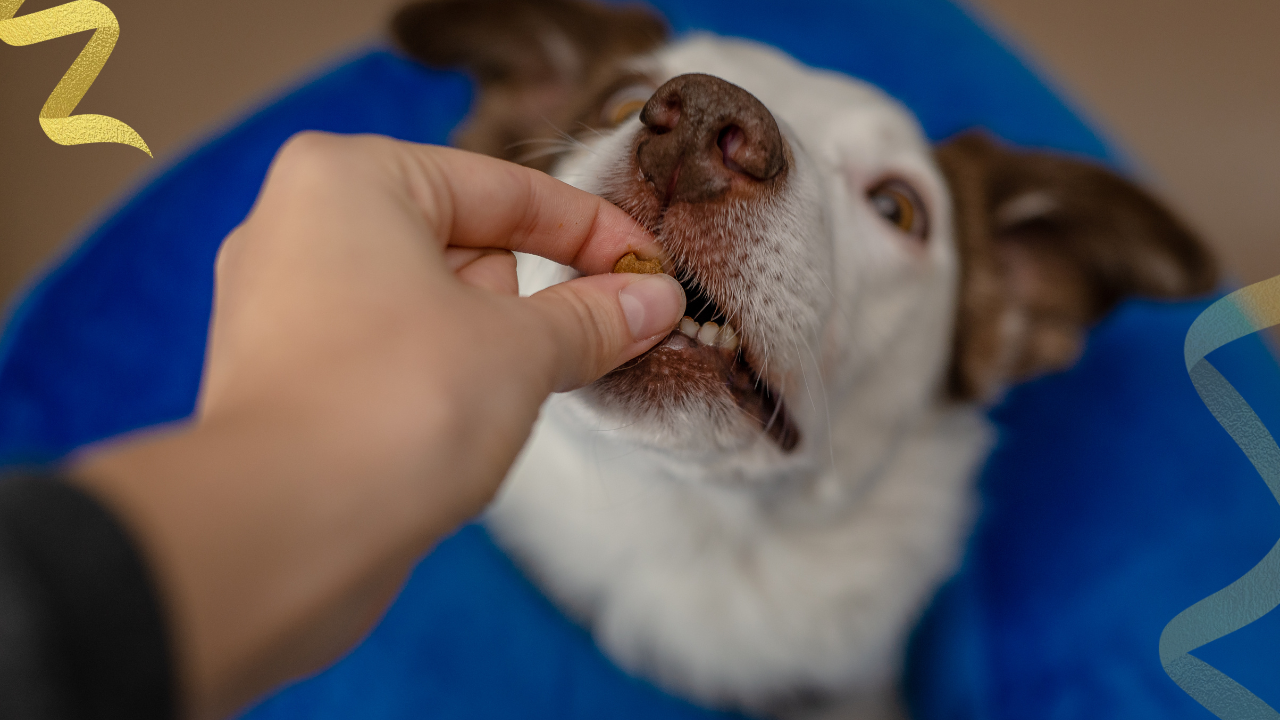
For most dogs, no. Chemotherapy in veterinary medicine is designed around a different goal than many people expect: the primary aim is to maintain the best possible quality of life while managing the cancer, and most protocols are well tolerated, with side effects that are typically mild and manageable (American Animal Hospital Association [AAHA], 2026). About 15% to 30% of dogs experience side effects at all, most often vomiting, diarrhea, or tiredness, and serious reactions occur in roughly 5% to 7% (AAHA, 2026).
The more accurate answer is that chemotherapy is rarely painful, with a few specific, well-understood exceptions. A drug that leaks outside the vein during an injection can damage the surrounding tissue. One commonly used drug can irritate the bladder. A small number of drugs can cause nerve or muscle discomfort. Knowing what these are, and what they look like, is how you make sure they get caught and treated quickly.
Key Points
- Most chemotherapy side effects in dogs are mild, and severe reactions requiring hospitalization occur in about 5% to 7% of cases (AAHA, 2026).
- The most common side effects are nausea, vomiting, diarrhea, and reduced appetite, which typically last an average of 3 days and can often be prevented with medication (AAHA, 2026).
- Several common chemotherapy drugs can damage tissue if they leak outside the vein, causing swelling, redness, discomfort, and in severe cases tissue death (AAHA, 2026).
- Cyclophosphamide can cause a bladder inflammation called sterile hemorrhagic cystitis, which leads to bladder irritation and discomfort (AAHA, 2026).
- In one study, 68% of owners rated their dog's quality of life during chemotherapy for lymphoma as the same as before the cancer, and 92% had no regrets about treating (Mellanby et al., 2003).
- Hair loss, when it happens, does not bother the dog (AAHA, 2026).
Detailed Explanation
Why Owners Expect Chemotherapy to Hurt
Many people's picture of chemotherapy comes from watching a person go through it. In a survey of 78 dog and cat owners, 58% said they would not choose chemotherapy for their pet, largely because of their previous experience of it, and owners expected treated pets to be less active, sleep more, and play less (Williams et al., 2017).
Veterinary chemotherapy is approached differently. The main objectives are tumor control, maintaining or improving the patient's quality of life, and a longer disease-free interval (AAHA, 2026). Your dog will not understand why they feel unwell, so a protocol that keeps them feeling like themselves is part of what success means.
What the Treatment Itself Involves
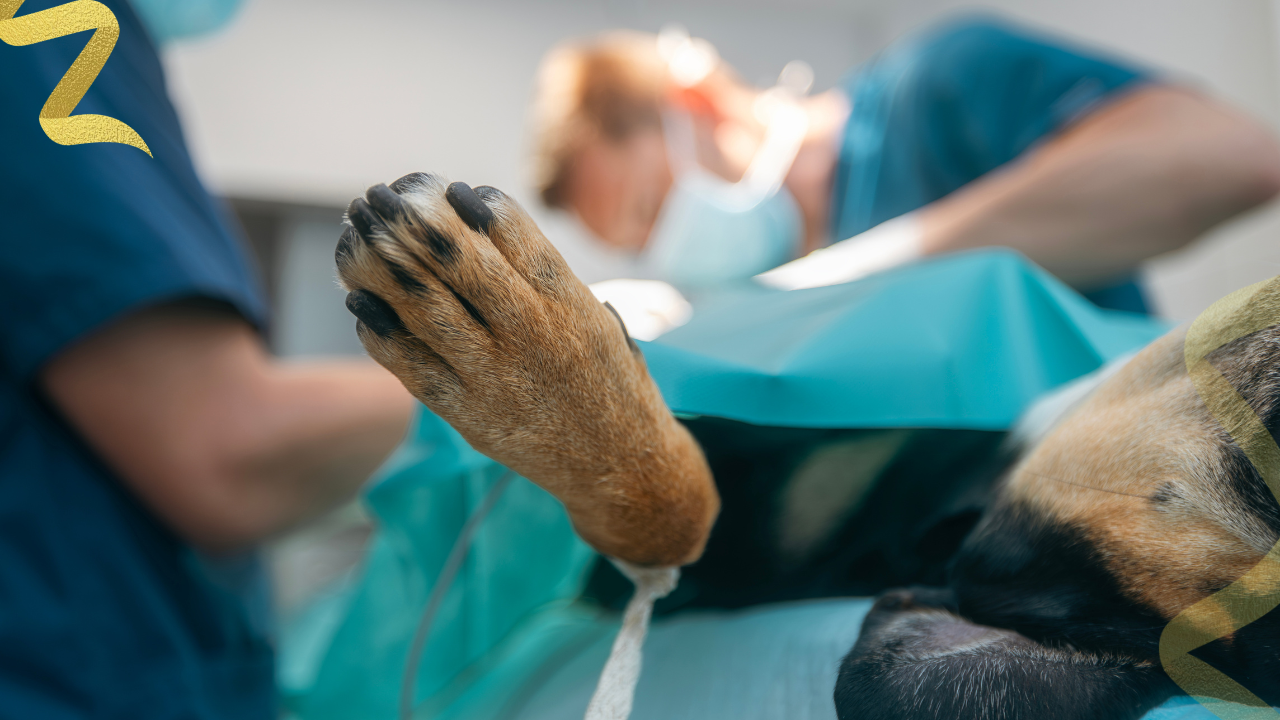
Most chemotherapy drugs for dogs are given either as an injection into a vein or as a pill at home (AAHA, 2026). For injected drugs, a catheter is placed in a vein, the drug is given, and the line is flushed. Blood is usually checked first to make sure it is safe to treat that day, which our guide to what to bring to chemotherapy appointments explains in more detail.
The main exception to an otherwise routine visit is when a drug escapes the vein, which is covered below.
The Side Effects Most Dogs Notice: Discomfort, Not Pain
Chemotherapy works by targeting rapidly dividing cells. Some normal cells divide rapidly too, especially in the bone marrow, the hair follicles, and the lining of the gut, so those are the tissues most likely to be affected (AAHA, 2026).
The effects owners most often see are gastrointestinal: vomiting, diarrhea, decreased appetite, and nausea. These are usually self-limiting and last an average of 3 days (AAHA, 2026). Nausea can show up within 24 hours of treatment or one to five days afterward, and the guidelines recommend a proactive approach, using anti-nausea medication after treatment and sending dogs home with "just in case" medications so side effects can be treated promptly, even after hours (AAHA, 2026). Our checklist of supplies to have ready before treatment begins covers which medications to ask for.
Nausea is not pain in the usual sense, but it is real discomfort, and it matters. One of the most common reasons owners stop chemotherapy early is that their dog stops eating, and the guidelines stress that appetite loss is usually manageable when it is reported early (AAHA, 2026). Tell your team about even mild changes in appetite.
Hair loss can happen in breeds with continuously growing coats, such as Poodles, Scottish Terriers, and West Highland White Terriers. It is cosmetic, pets are unaffected by it, and hair typically regrows after treatment, sometimes with a different texture or color (AAHA, 2026).
When Chemotherapy Can Cause Pain
These are the situations where pain is a genuine possibility. None of them is common, and all of them are known to your oncology team, which is why they monitor for them.
A drug leaking outside the vein. Several commonly used chemotherapy drugs are irritants or vesicants, meaning they damage tissue on contact. If one leaks from the vein into the surrounding tissue, called extravasation, it can cause discomfort, swelling, redness, blistering, and tissue death (AAHA, 2026). Doxorubicin, vincristine, vinblastine, and mitoxantrone all carry this risk, and doxorubicin injuries can be severe (AAHA, 2026). This is why clinics take care with catheter placement, gentle restraint, and giving the drug by hand rather than by pump (AAHA, 2026). At home, watch the injection site for swelling, redness, or your dog licking or guarding that leg, and call promptly if you see it.
Bladder irritation from cyclophosphamide. Cyclophosphamide can cause sterile hemorrhagic cystitis in dogs, an inflammation of the bladder that leads to irritation and discomfort (AAHA, 2026). Teams reduce the risk with medication given alongside the drug, and owners are asked to help by offering frequent walks after treatment and extra access to water for three days afterward (AAHA, 2026). The risk applies whether cyclophosphamide is given at standard doses or as low-dose daily metronomic chemotherapy, and periodic urine checks are recommended (AAHA, 2026). Straining to urinate, blood in the urine, or frequent small urinations during cyclophosphamide treatment should be reported.
Nerve effects from vincristine. Vincristine can cause peripheral neuropathy, an effect on the nerves of the limbs (AAHA, 2026). Ask your team what signs to watch for if your dog is on a protocol that includes it.
Muscle discomfort from toceranib. Toceranib, an oral targeted drug often used for mast cell tumors, most commonly causes digestive side effects, but lameness or muscle pain is a less common side effect (AAHA, 2026).
Injection-site reactions from tigilanol tiglate. This newer treatment for certain mast cell tumors is injected directly into the tumor. Its most common effects are related to how it works: swelling, injection-site pain, bruising, and wound formation where the tumor was, which may be extensive (AAHA, 2026). It must be given with additional medications to limit reactions from the tumor's mast cells, and your team should explain what the treatment site will look like as it heals.
What the Evidence Says About Quality of Life
The best evidence on whether chemotherapy makes dogs miserable comes from asking the people who live with them.
In a study of 25 dogs treated with multidrug chemotherapy for lymphoma, 68% of owners felt their dog's quality of life during treatment was the same as before the cancer developed, and the remaining 32% felt it was acceptable, though poorer. About half of owners reported some treatment complication, yet 92% had no regrets about choosing chemotherapy (Mellanby et al., 2003).
That pattern, side effects that happen but rarely dominate a dog's life, matches the broader guideline data showing that most dogs complete treatment without needing dose changes or stopping early because of side effects (AAHA, 2026). Small studies like this one cannot predict any individual dog's experience, but they offer a more accurate picture than the one many owners carry in from human medicine.
Keeping Your Dog Comfortable During Treatment
Several things help:
- Ask for anti-nausea and appetite medications at the first treatment, so you have them before you need them (AAHA, 2026).
- Report changes early. Mild appetite loss is far easier to fix than several days of not eating (AAHA, 2026).
- Watch the injection site for a few days after any intravenous drug.
- Follow the walking and water instructions if your dog receives cyclophosphamide.
- Keep a daily record of appetite, energy, stool, and anything unusual. The Dog Cancer Tracker makes it easy to show your team the pattern rather than relying on memory, and the Joys of Life Scale helps you notice how good days and hard days are balancing out.
It is also worth remembering that the cancer itself may be causing pain that has nothing to do with the treatment, and dogs are good at hiding it. Our article on whether cancer always causes pain in dogs explains what to look for. If your dog seems uncomfortable during treatment, the question of whether the cause is the drug, the disease, or something else entirely is one for your veterinary team to sort out.
Finally, while your dog is receiving chemotherapy, their urine, stool, saliva, and vomit can contain drug residues for several days. The precautions are simple, and our guide to keeping your household safe during chemotherapy walks through them.
When to Contact a Veterinarian
Seek emergency veterinary care immediately if your dog has a fever during treatment, especially in the week or so after a dose. Fever with a low white blood cell count is an oncologic emergency that requires hospitalization (AAHA, 2026). Also seek emergency care for collapse, severe weakness, pale gums, repeated vomiting, or signs of abdominal pain.
Call your oncology team promptly if you notice:
- Swelling, redness, or tenderness at an injection site, or your dog licking or guarding that limb.
- Straining to urinate, blood in the urine, or frequent small urinations, especially during cyclophosphamide treatment.
- Any decrease in appetite, even mild, or vomiting or diarrhea lasting more than a day.
- New lameness, weakness in the legs, or reluctance to move.
- Anything about your dog's comfort that worries you.
Questions to Ask Your Veterinarian
- Which drugs is my dog receiving, and which side effects are most likely with each?
- Are any of these drugs vesicants, and what should the injection site look like afterward?
- Can we have anti-nausea and appetite medications to keep at home?
- If my dog is getting cyclophosphamide, how often should I walk them and offer water afterward?
- Does my dog's protocol include vincristine or toceranib, and what nerve or muscle signs should I watch for?
- When is the risky period for infection after each dose, and what temperature should prompt a call?
- How will we know if the cancer itself is causing pain, and how will that be treated?
- What would make you recommend adjusting the dose or pausing treatment?
Sources
American Animal Hospital Association. (2026). Therapeutic modalities: Chemotherapy. In 2026 AAHA oncology guidelines for dogs and cats. https://www.aaha.org/resources/2026-aaha-oncology-guidelines-for-dogs-and-cats/section-5-therapeutic-interventions/therapeutic-modalities-chemotherapy/
Mellanby, R. J., Herrtage, M. E., & Dobson, J. M. (2003). Owners' assessments of their dog's quality of life during palliative chemotherapy for lymphoma. Journal of Small Animal Practice, 44(3), 100-103.
Williams, J., Phillips, C., & Byrd, H. M. (2017). Factors which influence owners when deciding to use chemotherapy in terminally ill pets. Animals, 7(3).
Reviewed by: Amber L. Drake, PhD
Dr. Amber L. Drake is a board-certified holistic health practitioner, canine clinical herbalist, educator, and founder of the Drake Dog Cancer Foundation and Drake Dog Academy. She is dedicated to helping pet parents better understand canine cancer, treatment options, nutrition, quality of life, and supportive care through compassionate, evidence-informed education. Her work combines professional training, practical resources, and firsthand insight from supporting thousands of dog families through the challenges of a cancer diagnosis.
Stay connected with news and updates!
Join our mailing list to receive the latest news and updates from our team.
Don't worry, your information will not be shared.
We hate SPAM. We will never sell your information, for any reason.