What Are the Risks of Dog Cancer Surgery?
Oct 05, 2026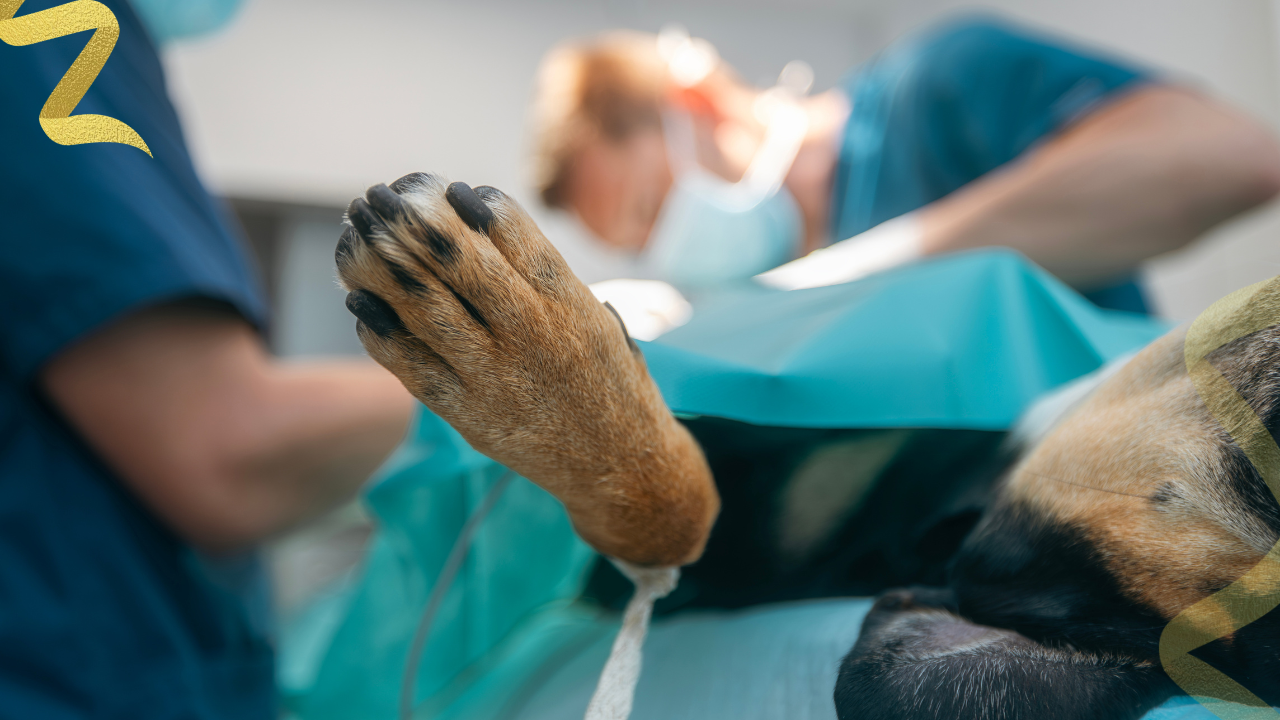
Cancer surgery in dogs carries real risks, but for most dogs the serious ones are uncommon. The risks fall into four groups: the anesthesia, complications at the surgical site, complications specific to the procedure, and the possibility that the surgery does not remove all of the cancer.
The risk of dying from anesthesia is low. In a UK study of more than 157,000 dogs, 0.14% died within two weeks of anesthesia or sedation in circumstances where the anesthetic could not be ruled out as a contributing factor (Shoop-Worrall et al., 2022). That risk rises with age, poorer overall health, and emergency procedures, so an individual dog's risk can differ considerably from the average.
Problems at the incision are more common but usually manageable. In a study of 376 mammary tumor surgeries, 8.8% developed a surgical site infection, and nearly all of those were superficial (Fuertes-Recuero et al., 2025).
Every one of these risks has to be weighed against the risk of not operating, which can be considerable.
Key Points
- The overall risk of anesthesia-related death in dogs is low, around 0.1% to 0.2% in large UK studies (Brodbelt et al., 2008; Shoop-Worrall et al., 2022).
- Older age, poorer health status, and urgent or emergency procedures all increased the odds of anesthesia-related death (Shoop-Worrall et al., 2022).
- The period after surgery, during recovery, has been identified as a high-risk time, and better patient care after surgery could reduce deaths (Brodbelt et al., 2008).
- Surgical site infections occurred after 8.8% of mammary tumor surgeries and 7.5% of mouth and jaw tumor surgeries in two studies (Fuertes-Recuero et al., 2025; Rigby et al., 2021).
- Longer anesthesia and low body temperature during surgery were both linked to higher infection risk, and both can be managed (Fuertes-Recuero et al., 2025).
- Fine needle aspirates and biopsies do not make most tumors spread, with a few specific exceptions your veterinarian will plan around (dvm360, n.d.).
Detailed Explanation
Anesthesia: Lower Risk Than Most Owners Fear
Anesthesia is the risk owners worry about most, and the numbers are more reassuring than many expect.
The largest early study, the Confidential Enquiry into Perioperative Small Animal Fatalities, followed more than 98,000 dogs anesthetized or sedated in UK practices. The overall risk of anesthesia- or sedation-related death within 48 hours was 0.17%, or about 1 in 600 (Brodbelt et al., 2008). Reported risks were about 0.05% in healthy dogs and 1.33% in dogs with severe pre-existing disease (Brodbelt et al., 2008).
A later study of 157,318 dogs in UK primary care found a risk of 0.10% within 48 hours and 0.14% within two weeks (Shoop-Worrall et al., 2022). For routine spay and neuter surgery, the risk was far lower still, at 0.009% within two weeks.
The same study identified who faces more risk. Compared with dogs aged 6 to 18 months, dogs over 9 years old had 12.8 times the odds of anesthesia-related death within two weeks. Urgent or emergency procedures carried 17 times the odds within two weeks compared with planned procedures (Shoop-Worrall et al., 2022). Some breeds, including West Highland White Terriers, German Shepherds, and Rottweilers, also had higher odds.
Those multipliers sound alarming, but they are relative increases from a low starting point. Even among dogs with severe pre-existing disease in the earlier UK study, more than 98% did not die from anesthesia (Brodbelt et al., 2008). What the multipliers do tell you is that age, health, and urgency matter. When there is a choice, it is worth asking whether stabilizing your dog before surgery makes sense.
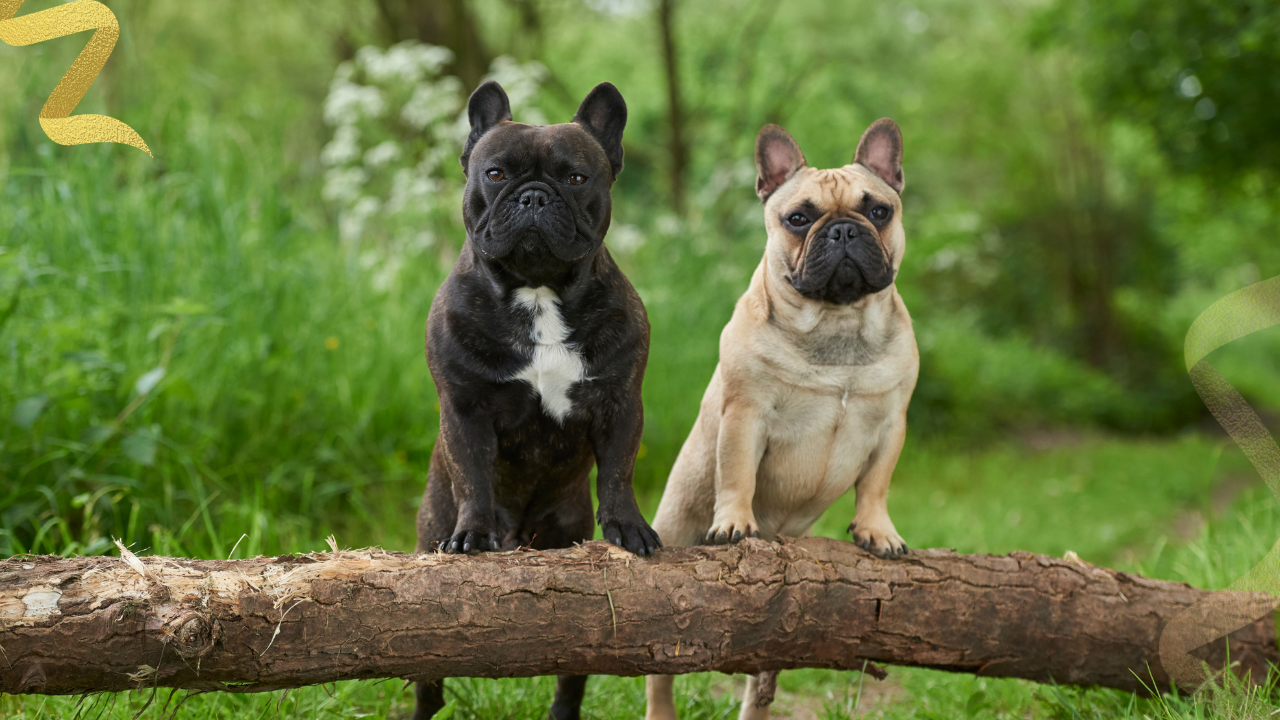
Brachycephalic, or flat-faced, breeds such as French Bulldogs also face higher risk of complications during and after anesthesia (Gruenheid et al., 2018). Read more about anesthesia planning for French Bulldogs.
Recovery Is Part of the Risk
The original UK enquiry concluded that greater patient care in the postoperative period could reduce fatalities (Brodbelt et al., 2008). Asking how your dog will be monitored after surgery, and for how long, is as important as asking about the surgery itself.
Complications at the Incision
Surgical site infection is the complication most owners will encounter, if any.
In a study of 376 mastectomies for mammary tumors at a veterinary teaching hospital, 8.8% developed a surgical site infection. Of those, 93.9% were superficial, involving only the skin or tissue just beneath it, and none involved deeper organs or body cavities (Fuertes-Recuero et al., 2025). Other complications in the same group included hematoma, a collection of blood under the skin, in 13.4% of procedures, and seroma, a collection of fluid, in 12.0% (Fuertes-Recuero et al., 2025).
In a separate study of 226 dogs that had surgery for tumors of the mouth and jaw, the infection rate was 7.5% (Rigby et al., 2021).
Across veterinary studies of different surgical procedures, overall surgical site infection rates have generally been reported between 3% and 8.7%. The mastectomy researchers found their rate comparable to other clean surgeries, and whether a tumor was malignant did not affect infection risk in their study (Fuertes-Recuero et al., 2025).
The mastectomy study also identified two risk factors that are within the surgical team's control. Anesthesia lasting longer than about three hours and a drop in body temperature during surgery were each independently associated with higher infection risk (Fuertes-Recuero et al., 2025). It is reasonable to ask how your team keeps patients warm during surgery.
Complications Specific to the Procedure
Every operation has its own particular risks, and the general figures above do not capture them. A few examples:
Splenectomy. Dogs that need their spleen removed after a bleeding mass are often very ill at the time of surgery. Even so, 95% of dogs with abdominal bleeding whose owners chose splenectomy survived to discharge in recent data (Campbell, 2024). Read more about ruptured spleens in dogs.
Amputation. For bone cancer of a limb, amputation is often the recommended surgery. Studies have shown good mobility after amputation even in large and giant breed dogs, and dogs are generally walking within 24 hours (Polton et al., 2025). Limb-sparing surgery, the alternative, carries high complication rates, including infection and implant failure (Polton et al., 2025). Read more about amputation decisions.
Ask your surgeon which complications are most common for your dog's specific procedure, and how often they see them.
The Cancer Risk: Not Getting It All
There is one risk owners sometimes do not think of as a surgical risk at all: the possibility that the surgery leaves cancer cells behind.
Surgeons remove a tumor along with a margin of normal-looking tissue around it, and a pathologist examines the edges to see whether any cancer cells reach them. Read more about understanding your dog's pathology report. When cancer cells extend to the edge, the margins are called incomplete, and the risk of the tumor growing back rises. In one study of soft tissue sarcomas, tumors removed with narrow margins recurred in 7% of grade 1 cases and 34% of grade 2 cases, while none of 30 completely excised tumors with follow-up recurred (McSporran, 2009).
Incomplete margins may mean a second surgery, radiation, or closer monitoring. Read more about what clear margins do and do not mean. Asking before surgery what margins the surgeon expects to achieve, and what happens if they are incomplete, helps you plan. Read more about whether dog cancer can come back after treatment.
Does a Biopsy or Needle Sample Make Cancer Spread?
This is one of the most persistent fears owners bring to the diagnostic stage, and for most tumors the answer is no. Veterinary oncologists have explained that metastasis is determined overwhelmingly by the biology of the cancer, and that a fine needle aspirate or biopsy does not make a tumor "angry" or accelerate spread (dvm360, n.d.).
There are specific exceptions, and your veterinarian will plan around them:
- Mast cell tumors can become inflamed after being sampled, because the cells release histamine. This does not speed up spread and is rarely serious (dvm360, n.d.). Read more about mast cell tumors.
- Needle sampling through the abdominal wall of splenic and bladder masses is generally avoided because of the risk of spreading tumor cells within the abdomen or along the needle track (dvm360, n.d.; Ackley, 2026). Read more about bladder cancer.
- For lumps in or under the skin, biopsies are planned so the biopsy track can be removed during the final surgery (dvm360, n.d.).
Skipping a diagnosis out of fear of spread has costs of its own, because treatment decisions depend on knowing what the tumor is.
Weighing Risk Against the Alternative
No surgery is risk-free, and no decision to avoid surgery is risk-free either. A bleeding splenic mass that is not removed can bleed again (Allen, 2016). A bone tumor that is not treated remains painful, and pain management should always be the priority (Polton et al., 2025). For some tumors, such as completely removed low-grade soft tissue sarcomas, surgery can be the end of the story (McSporran, 2009).
The right question is not whether surgery has risks, but how those risks compare with the risks of each alternative for your individual dog. Your dog's age, other health conditions, the type and stage of cancer, and your family's goals all belong in that conversation. Read more about how dogs show cancer pain.
Preparing to Reduce Risk
Several things help:
- Pre-surgical bloodwork and staging, so your team knows your dog's overall health and whether the cancer has spread.
- Asking about anesthetic monitoring, temperature control, and pain management during and after surgery.
- Having supplies ready at home before surgery day, including a cone or recovery suit that fits. See what supplies to have ready.
- Photographing the incision daily so you can compare rather than guess whether something has changed.
- Keeping a record of appetite, energy, and the incision in the Dog Cancer Tracker.
When to Contact a Veterinarian
Seek emergency veterinary care immediately after surgery if your dog collapses, has pale or white gums, is breathing with difficulty, is bleeding steadily from the incision, or if the incision opens and you can see tissue beneath the skin.
Call your veterinary team promptly if you notice the following. Our recovery guide describes what a normally healing incision looks like.
- Redness, heat, swelling, or discharge at the incision, which are signs of surgical site infection (Fuertes-Recuero et al., 2025).
- A soft, fluid-filled swelling near the incision.
- Refusal to eat, vomiting, or lethargy that is worsening rather than improving after the first day or two.
- Signs of pain that seem to be breaking through the prescribed pain medication.
- Licking or chewing at the incision despite a cone or recovery suit.
Questions to Ask Your Veterinarian
- What are the most common complications of this specific surgery, and how often do you see them?
- What is my dog's anesthetic risk, given age and health?
- What pre-surgical tests do you recommend, and why?
- How will my dog be monitored during and after anesthesia, and for how long?
- How do you keep patients warm during surgery?
- What margins do you expect to achieve, and what happens if the pathology report shows incomplete margins?
- Is there a reason to wait and stabilize my dog before surgery, or is this urgent?
- How will pain be managed after surgery, at the hospital and at home?
- What should the incision look like at each stage of healing?
- If we decide against surgery, what are the alternatives and their risks?
- Would a referral to a board-certified surgeon or veterinary oncologist help? Read more about when to ask for a referral.
For more questions to bring to appointments, see our guide to questions to ask your vet.
Sources
Ackley, D. V. (2026, March 2). A new approach to diagnosing transitional cell carcinoma in dogs. MSPCA-Angell. https://www.mspca.org/clinical/a-new-approach-to-diagnosing-transitional-cell-carcinoma-in-dogs/
Allen, S. (2016). Blood, sweat and tears: Approach to the canine hemoabdomen. VetBloom. https://vetbloom.com/hemoabdomen/
Brodbelt, D. C., Blissitt, K. J., Hammond, R. A., Neath, P. J., Young, L. E., Pfeiffer, D. U., & Wood, J. L. N. (2008). The risk of death: The Confidential Enquiry into Perioperative Small Animal Fatalities. Veterinary Anaesthesia and Analgesia, 35(5), 365-373.
Campbell, B. G. (2024). Splenic masses in dogs: Algorithms for differentials, diagnosis, and definitive treatment. Today's Veterinary Practice. https://todaysveterinarypractice.com/soft-tissue-surgery/splenic-masses-in-dogs-differentials-diagnosis-and-treatment-algorithm/
dvm360. (n.d.). Dispelling the myths of veterinary cancer and its treatment (Proceedings) [FLAG: author]. https://www.dvm360.com/view/dispelling-myths-veterinary-cancer-and-its-treatment-proceedings
Fuertes-Recuero, M., Penelo, S., Suarez-Redondo, M., Eceiza-Zubicaray, A., Arenillas, M., Valdivia, G., García San José, P., Peña, L., Pérez-Alenza, D., & Ortiz-Díez, G. (2025). Incidence and risk factors of surgical site infection in 376 mastectomy procedures in female dogs: A retrospective cohort study. Veterinary Sciences, 12(6), Article 553.
Gruenheid, M., Aarnes, T. K., McLoughlin, M. A., Simpson, E. M., Mathys, D. A., Mollenkopf, D. F., & Wittum, T. E. (2018). Risk of anesthesia-related complications in brachycephalic dogs. Journal of the American Veterinary Medical Association, 253(3), 301-306.
McSporran, K. D. (2009). Histologic grade predicts recurrence for marginally excised canine subcutaneous soft tissue sarcomas. Veterinary Pathology, 46(5), 928-933.
Polton, G., Borrego, J. F., Clemente-Vicario, F., Clifford, C. A., Jagielski, D., Kessler, M., Kobayashi, T., Lanore, D., Queiroga, F. L., Rodrigues, L., Tranaeus Rowe, A., Vajdovich, P., [FLAG: four additional authors], & Bergman, P. J. (2025). Osteosarcoma of the appendicular skeleton in dogs: Consensus and guidelines. Frontiers in Veterinary Science, 12, Article 1633593.
Rigby, B. E., Malott, K., Hetzel, S. J., & Soukup, J. W. (2021). Incidence and risk factors for surgical site infections following oromaxillofacial oncologic surgery in dogs. Frontiers in Veterinary Science, 8, Article 760628.
Shoop-Worrall, S. J. W., O'Neill, D. G., Viscasillas, J., & Brodbelt, D. C. (2022). Mortality related to general anaesthesia and sedation in dogs under UK primary veterinary care. Veterinary Anaesthesia and Analgesia, 49(5), 433-442.
Reviewed by: Amber L. Drake, PhD
Dr. Amber L. Drake is a board-certified holistic health practitioner, canine clinical herbalist, educator, and founder of the Drake Dog Cancer Foundation and Drake Dog Academy. She is dedicated to helping pet parents better understand canine cancer, treatment options, nutrition, quality of life, and supportive care through compassionate, evidence-informed education. Her work combines professional training, practical resources, and firsthand insight from supporting thousands of dog families through the challenges of a cancer diagnosis.
Stay connected with news and updates!
Join our mailing list to receive the latest news and updates from our team.
Don't worry, your information will not be shared.
We hate SPAM. We will never sell your information, for any reason.