Can Maitake Mushroom Help Dogs With Cancer? What the Research Actually Shows
Oct 07, 2026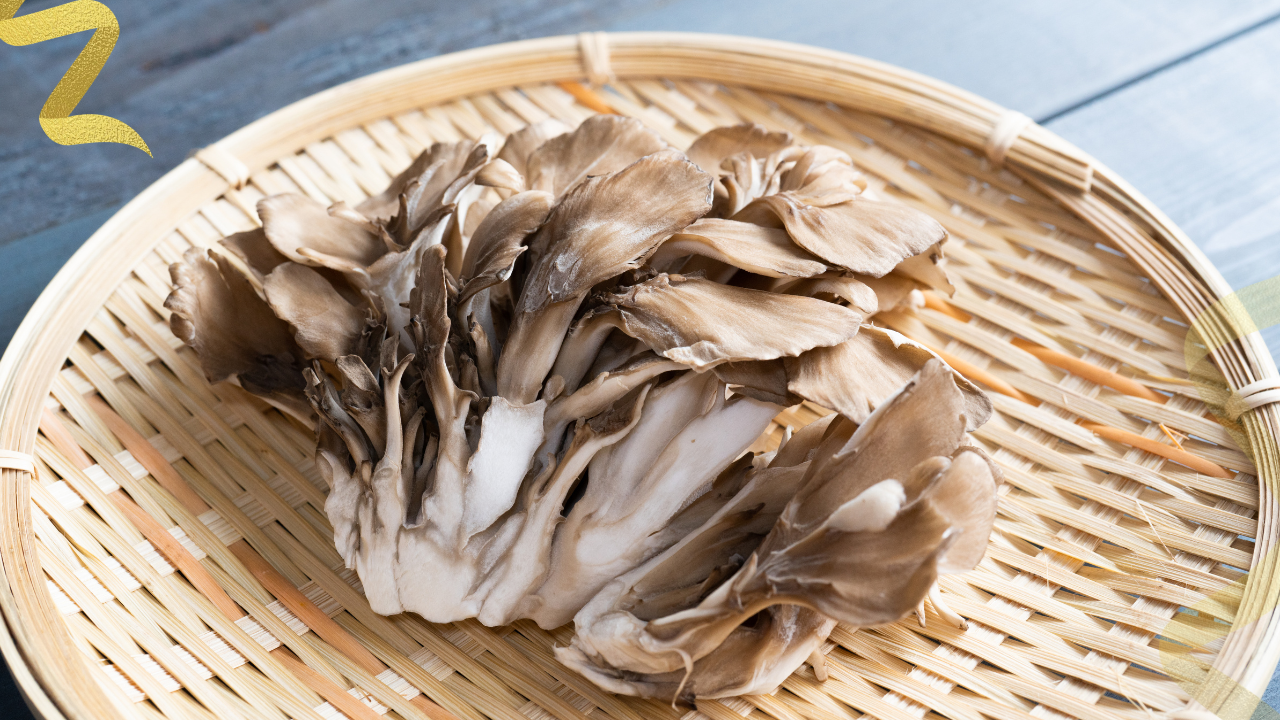
Maitake hasn't been shown to treat cancer in dogs. The only published clinical trial of a maitake extract in dogs with cancer gave it to 15 dogs with lymphoma as their sole treatment, and not one dog's tumors shrank enough to count as a response. Thirteen of the 15 had progressing disease before the fourth week (Griessmayr et al., 2007).
The encouraging results people quote come from cancer cells grown in a dish, from mice, and from small human studies that measured immune markers rather than whether patients lived longer. Maitake does appear to be well tolerated. Tolerated and effective aren't the same thing, though, and if you're considering it for your dog, the conversation belongs with your oncology team before the first dose, never as a replacement for treatment that has evidence behind it.
Key Points
- Maitake (Grifola frondosa) is an edible mushroom whose extracts are sold as immune supplements under names such as D-fraction and PETfraction.
- In the one canine clinical trial, a maitake extract given alone produced no objective responses in dogs with lymphoma (Griessmayr et al., 2007).
- Maitake extract slowed the growth of canine cancer cells in laboratory dishes, but the researchers acknowledged it's uncertain whether those concentrations can be reached in a living dog (Konno & Choudhury, 2015).
- Human trials found measurable immune changes, some up and some down, and weren't designed to show that maitake shrinks tumors or extends survival (Deng et al., 2009; Wesa et al., 2015).
- Side effects in dogs and people were mild, but questions about bleeding, blood sugar, and drug interactions remain unanswered.
- Several of the key studies were funded by, or used product supplied by, companies that sell maitake extracts.
Detailed Explanation
What maitake is, and why it gets recommended for cancer
Maitake is an edible mushroom, and the extracts made from it contain beta-glucans: large sugar molecules, often bound to protein, built on a chain of glucose with side branches (Wesa et al., 2015). Supplement makers concentrate these compounds and sell them as standardized liquids or capsules.
The cancer interest comes from what beta-glucans seem to do to immune cells. In mice carrying implanted tumors, a maitake extract called D-fraction slowed tumor growth, and that effect tracked with activation of natural killer cells, a type of immune cell that can destroy tumor cells directly (Kodama et al., 2002). If a mushroom extract could nudge the immune system in the same direction in a dog, the reasoning goes, it might help the body hold cancer back.
That's a fair hypothesis, and immune-based cancer treatment is a real and growing field in veterinary oncology. The question for any supplement is whether the hypothesis survives contact with actual dogs.
The one clinical trial in dogs
Researchers at the Cummings School of Veterinary Medicine at Tufts University tested this directly. They enrolled 15 dogs with confirmed intermediate or high-grade lymphoma and gave each a commercial maitake extract, PETfraction, as the only treatment. To qualify, dogs needed an expected survival of at least two weeks and no major organ dysfunction. The team tracked lymph node size, body weight, bloodwork, and owner questionnaires on quality of life and appetite over 12 weeks (Griessmayr et al., 2007).
None of the dogs had their lymph nodes shrink by more than half, the threshold the study used to define a response. Thirteen of the 15 developed progressive disease before the fourth week, and the median time dogs stayed on treatment was 27 days. The extract was easy to give and side effects were minimal. Two dogs developed hyphema, which is bleeding inside the front chamber of the eye, and the researchers couldn't determine whether the lymphoma or the extract caused it (Griessmayr et al., 2007).
This trial had real limits. It was small, it had no comparison group, and it only tested maitake used alone in an aggressive cancer. It can't tell us whether maitake does anything useful alongside chemotherapy, or in a slower-moving tumor. Konno and Choudhury (2015) later argued that the dose may have been too low and that dogs this sick may have been too far along to benefit. Those are possibilities. They're also untested, and they come from researchers whose laboratory work used product supplied by the extract's manufacturer.
For a family facing lymphoma, the practical takeaway is narrower and more important. Weeks spent on maitake alone are weeks not spent on treatments with established evidence, such as the CHOP protocol, and lymphoma doesn't wait.
What the laboratory studies show
Before the dog trial, PETfraction had been reported to suppress the growth of several canine tumor cell lines in culture, including lymphoma, mammary gland, and connective tissue cancers (Griessmayr et al., 2007).
A later study compared five commercial supplements on two canine cancer cell lines, one from a mammary tumor and one from a soft tissue sarcoma. PETfraction performed best, reducing cell growth by roughly half at its most effective concentrations and triggering changes consistent with cell death. When the researchers added vitamin C, more than 95% of the cancer cells died (Konno & Choudhury, 2015).
Those numbers read well, and they need context. The cells were sitting in a dish, bathed directly in the extract, with no digestive tract, liver, or circulation in between. The authors themselves wrote that it's uncertain whether the effective concentrations could be achieved in a living animal, and that few studies have measured how much reaches the body at all (Konno & Choudhury, 2015). The vitamin C combination hasn't been tested in dogs. And the study's acknowledgments thank Mushroom Wisdom, Inc., the company that sells PETfraction, for supplying the product.
Laboratory results like these are where a treatment's story starts. Plenty of compounds kill cancer cells in a dish and then do nothing measurable in a patient, which is exactly what happened in the Tufts trial.
What human studies add, and what they don't
Two trials at Memorial Sloan Kettering Cancer Center are the strongest human evidence, and neither was designed to test whether maitake fights cancer.
The first gave a maitake extract by mouth for three weeks to 34 women who had finished breast cancer treatment and had no detectable disease. Some immune measures went up and others went down. The relationship to dose wasn't straightforward either: intermediate doses sometimes enhanced and sometimes suppressed immune activity compared with both higher and lower doses. Two women withdrew with mild side effects, one with nausea and joint swelling and one with rash and itching. The authors' conclusion is worth repeating to anyone shopping for an "immune booster": botanical agents can depress immune function as well as enhance it (Deng et al., 2009).
The second gave maitake extract for 12 weeks to people with lower-risk myelodysplastic syndromes, a bone marrow disorder that can progress to leukemia. Of 21 people enrolled, 18 finished. Their neutrophils and monocytes, two kinds of infection-fighting white blood cells, performed better in laboratory tests of bacteria-killing chemistry. Their actual blood counts didn't improve, though. No patient met the criteria for improved counts, and average neutrophil numbers dipped slightly, a change the authors judged not clinically meaningful. Four people developed mild eosinophilia, an increase in a type of white blood cell that the authors suggested might reflect an allergic response to the mushroom. The study had no control group and was funded by the Yukiguni Maitake Company (Wesa et al., 2015).
So the human data say maitake changes some immune measurements in some directions. They don't say it shrinks tumors or helps people live longer, and they're in a different species.
Safety: what's known and what isn't
Across the dog and human trials, maitake extracts were generally well tolerated (Deng et al., 2009; Griessmayr et al., 2007; Wesa et al., 2015). That's genuinely reassuring as far as it goes. A few open questions deserve attention, especially for dogs already in treatment.
Bleeding is the first. The two dogs with hyphema in the Tufts trial are an unexplained signal rather than a proven effect (Griessmayr et al., 2007). Separately, a published case report described a rise in INR, a measure of how long blood takes to clot, in a person on the anticoagulant warfarin who was also taking a maitake extract (Hanselin et al., 2010). One report proves little on its own. Still, if your dog has a tumor prone to bleeding, such as hemangiosarcoma, has low platelets on recent bloodwork, or takes any medication that affects clotting, that's worth raising before adding a supplement.
Blood sugar is the second. In genetically diabetic mice, maitake powder lowered blood glucose (Kubo et al., 1994). No one has studied this in dogs, so the concern is theoretical, but it matters for diabetic dogs on insulin and for dogs with insulinoma, a pancreatic tumor that already pushes blood sugar too low.
The third is the immune system itself. If an extract can push immune measures down as well as up (Deng et al., 2009), "boosting immunity" isn't a safe assumption, and that's something your oncologist can weigh against your dog's specific protocol.
Finally, products vary. The dog trial, the canine cell studies, and the human trials used different branded preparations from different manufacturers (Griessmayr et al., 2007; Konno & Choudhury, 2015; Wesa et al., 2015). A result from one extract doesn't automatically transfer to another, or to the maitake powder in a general mushroom blend.
Where that leaves maitake
Maitake is biologically interesting and the early laboratory work is real. The clinical evidence in dogs, though, consists of one small trial with a negative result, and the human trials measured immune markers rather than cancer outcomes. That's a long way from "maitake helps dogs with cancer."
None of this means a family who wants to try it is making a reckless choice, as long as it's added to evidence-based care rather than substituted for it and the oncology team knows. If you do go ahead, keeping a simple record of appetite, energy, and any new symptoms in the Dog Cancer Tracker gives your veterinarian something concrete to look at. If you're drawn to maitake because you want something more for your dog, it's also worth asking whether a clinical trial might be an option. Trials are how promising ideas like this one either earn their place or get set aside. The same evidence-first approach applies to other popular supplements, including fish oil and milk thistle.
When to Contact a Veterinarian
Talk with your veterinarian or veterinary oncologist before starting maitake or any other supplement, and especially if your dog is receiving chemotherapy or radiation, has diabetes, or has a cancer known to bleed.
If your dog is already taking maitake, call promptly if you notice nosebleeds, blood in the eye, unusual bruising, black or tarry stool, or pale gums. Weakness, trembling, wobbliness, a seizure, or collapse needs emergency care. Vomiting, diarrhea, or loss of appetite deserves a call too, and so do lymph nodes that seem to be growing. Stop the supplement and tell your team; don't assume a new symptom is the cancer or the treatment without checking.
Questions to Ask Your Veterinarian
- Could maitake interfere with my dog's chemotherapy, radiation, or other medications?
- Does my dog's cancer type, platelet count, or blood sugar make a supplement like this riskier?
- If we try it, what should I watch for at home, and what would make us stop?
- Which product, if any, would you be comfortable with, and how would we know what's actually in it?
- Is there a clinical trial my dog might qualify for?
For more conversation starters, see our full list of questions to ask your vet about dog cancer.
Sources
Deng, G., Lin, H., Seidman, A., Fornier, M., D'Andrea, G., Wesa, K., Yeung, S., Cunningham-Rundles, S., Vickers, A. J., & Cassileth, B. (2009). A phase I/II trial of a polysaccharide extract from Grifola frondosa (Maitake mushroom) in breast cancer patients: Immunological effects. Journal of Cancer Research and Clinical Oncology, 135(9), 1215-1221.
Griessmayr, P. C., Gauthier, M., Barber, L. G., & Cotter, S. M. (2007). Mushroom-derived maitake PETfraction as single agent for the treatment of lymphoma in dogs. Journal of Veterinary Internal Medicine, 21(6), 1409-1412.
Hanselin, M. R., Vande Griend, J. P., & Linnebur, S. A. (2010). INR elevation with maitake extract in combination with warfarin. Annals of Pharmacotherapy, 44(1), 223-224. [DOI TO CONFIRM BEFORE PUBLICATION]
Kodama, N., Komuta, K., Sakai, N., & Nanba, H. (2002). Effects of D-Fraction, a polysaccharide from Grifola frondosa on tumor growth involve activation of NK cells. Biological & Pharmaceutical Bulletin, 25(12), 1647-1650.
Konno, S., & Choudhury, M. (2015). Potent anticancer effect of PET-Fraction (PET-F) in comparison with other commercial products on canine cancer cells. Open Journal of Veterinary Medicine, 5(5), 101-109.
Kubo, K., Aoki, H., & Nanba, H. (1994). Anti-diabetic activity present in the fruit body of Grifola frondosa (Maitake). I. Biological & Pharmaceutical Bulletin, 17(8), 1106-1110.
Wesa, K. M., Cunningham-Rundles, S., Klimek, V. M., Vertosick, E., Coleton, M. I., Yeung, K. S., Lin, H., Nimer, S., & Cassileth, B. R. (2015). Maitake mushroom extract in myelodysplastic syndromes (MDS): A phase II study. Cancer Immunology, Immunotherapy, 64(2), 237-247.
Reviewed by: Amber L. Drake, PhD
Dr. Amber L. Drake is a board-certified holistic health practitioner, canine clinical herbalist, educator, and founder of the Drake Dog Cancer Foundation and Drake Dog Academy. She is dedicated to helping pet parents better understand canine cancer, treatment options, nutrition, quality of life, and supportive care through compassionate, evidence-informed education. Her work combines professional training, practical resources, and firsthand insight from supporting thousands of dog families through the challenges of a cancer diagnosis.
Stay connected with news and updates!
Join our mailing list to receive the latest news and updates from our team.
Don't worry, your information will not be shared.
We hate SPAM. We will never sell your information, for any reason.